


Zones: what they mean
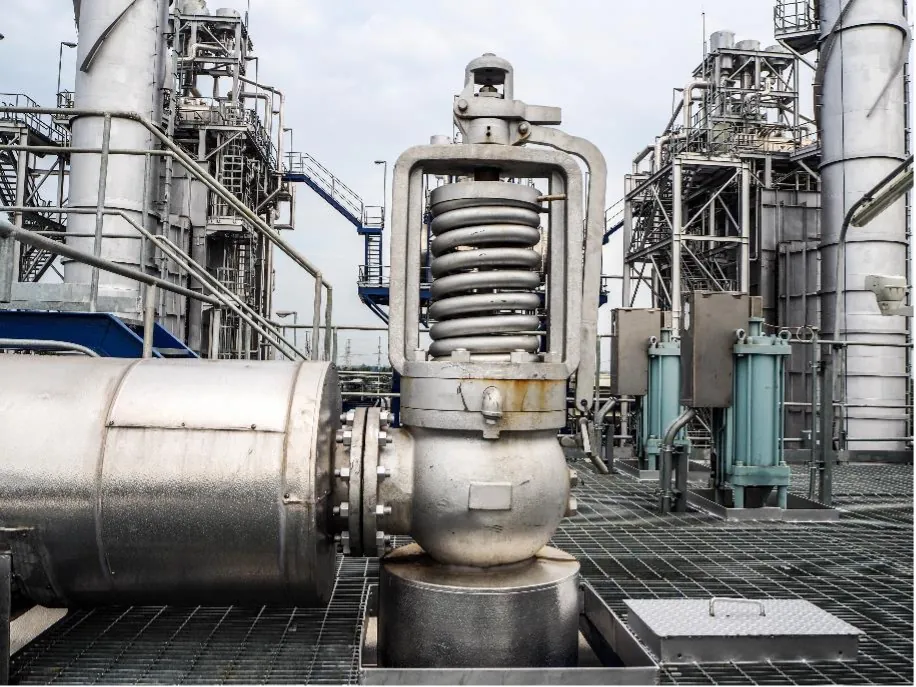
Potentially explosive areas are classified by the probability with which a hazardous explosive atmosphere occurs. For gases, vapours and mists these are zones 0, 1 and 2; for combustible dusts, zones 20, 21 and 22. Zones 0 and 20 mean continuous or long-term occurrence and in practice usually concern the inside of vessels; in the working area where a manipulator stands, zones 1 and 2, or 21 and 22, are the normal case. The classification is made by the operator, not the supplier.